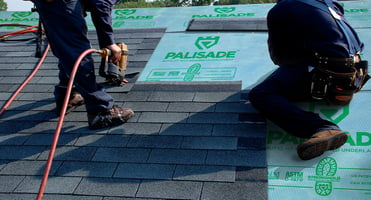

Your roof is more than shingles. It's a complete protection system, and the shingles are only as...
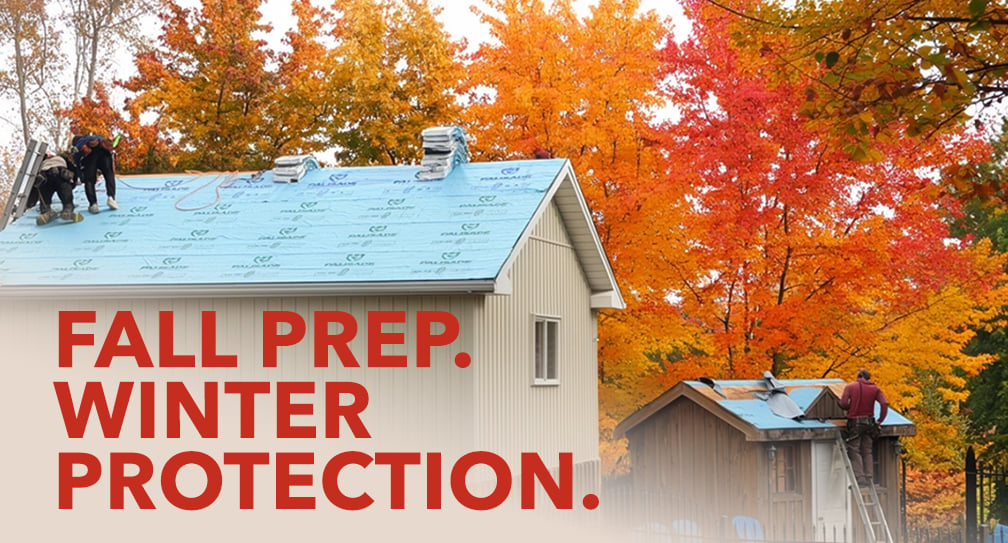
Fall is the ideal time to prepare your roof for winter. A little proactive maintenance now can help prevent leaks, moisture damage, and costly repairs when temperatures drop.
By clearing seasonal debris, checking for hidden moisture, and inspecting your roofing system before winter arrives, you can identify potential problems before snow, ice, and freezing temperatures make them worse.
Clear Away Seasonal Debris
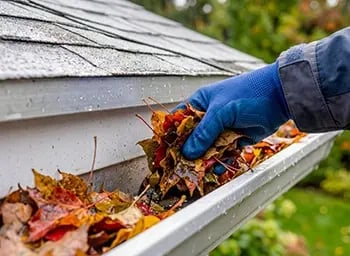 Falling leaves may look beautiful in the yard, but they can create problems when they collect on your roof. Leaves, twigs, and pine needles quickly accumulate in roof valleys and gutters. When this debris becomes wet, it can trap moisture against shingles, accelerating wear and potentially shortening the life of roofing materials.
Clogged gutters can also prevent autumn rain and melting snow from draining properly. Water may overflow, pool near the roof edge, or back up beneath the roofline, potentially damaging fascia, soffits, and surrounding materials.
As part of your roofing checklist, clear debris from the roof, valleys, gutters, and downspouts before winter to help keep water moving safely away from your home.
Look for Hidden Moisture and Roof Leaks
After a heavy downpour, use a flashlight to inspect your attic for early warning signs of a roof leak. Check the underside of the roof deck, areas around chimneys and vents, rafters, and insulation for:
- Dark water stains
- Damp or wet insulation
- Mold
- Musty odors
- Visible moisture
These signs may indicate that water is getting past the exterior roofing system. Identifying moisture problems in the fall gives you an opportunity to address them before winter weather arrives.
Does Your Roof Need Repair or Replacement?
A fall roof inspection is more than a routine maintenance task. It is an opportunity to determine whether your roof is ready for winter.
Isolated damage may require only a targeted repair. However, extensive wear, recurring leaks, or widespread dampness could indicate a deeper problem within the roofing system.
If roof replacement is necessary, don't overlook one of the most important components beneath the finished roof: roof underlayment.
Why Roof Underlayment Matters
Roof underlayment provides an additional protective layer between the roof deck and the primary roofing material.
Lower-grade synthetic products may allow moisture to migrate over time, while traditional felt can absorb moisture, encourage mold growth, and compromise the structural integrity of the roof assembly.
Choosing a high-quality synthetic or self-adhered roof underlayment can help provide additional protection against water intrusion throughout the life of the roofing system.
Protect Your Home With NovaSeal® PRIME
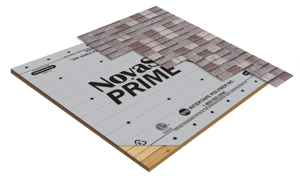 NovaSeal® PRIME provides a dependable barrier against water intrusion. This lightweight, fully waterproof synthetic roof underlayment is constructed from woven polypropylene and designed for long-term performance beneath:
- Asphalt shingles
- Synthetic shingles
- Metal roofing
- Primed cedar shakes
For roofing projects requiring a lightweight synthetic solution, NovaSeal® PRIME provides waterproof protection as part of the overall roofing system.
Added Protection With Palisade® Butyl-HT PLUS
Added Protection With Palisade® Butyl-HT PLUS
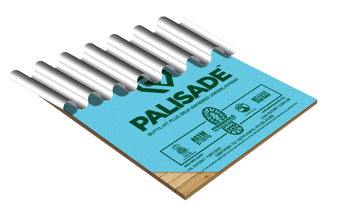 For projects requiring a self-adhered roof underlayment, Palisade® Butyl-HT PLUS features a woven polypropylene facer with significantly greater nail-tear strength than standard film facers.
Its superior butyl adhesive stands up to winter temperatures and passes rigorous lap- and nail-sealability testing to help maintain a watertight seal around fasteners.
Autumn roofs can also become wet, dewy, dusty, and slippery. Palisade® Butyl-HT PLUS incorporates patented Stronghold Skid Resistant Technology to provide roofers with enhanced traction in wet and dusty surface conditions.
Frequently Asked Questions
Prepare Your Roof Before Winter Arrives
Clearing autumn debris, identifying hidden moisture, and choosing a high-quality roofing system can help keep your home dry and protected throughout the winter.
Complete these essential fall roof maintenance tasks now, and when the snow begins to fall, you can enjoy the season from the comfort of a warm, secure home.